


What Is Building Control & How Does It Work?
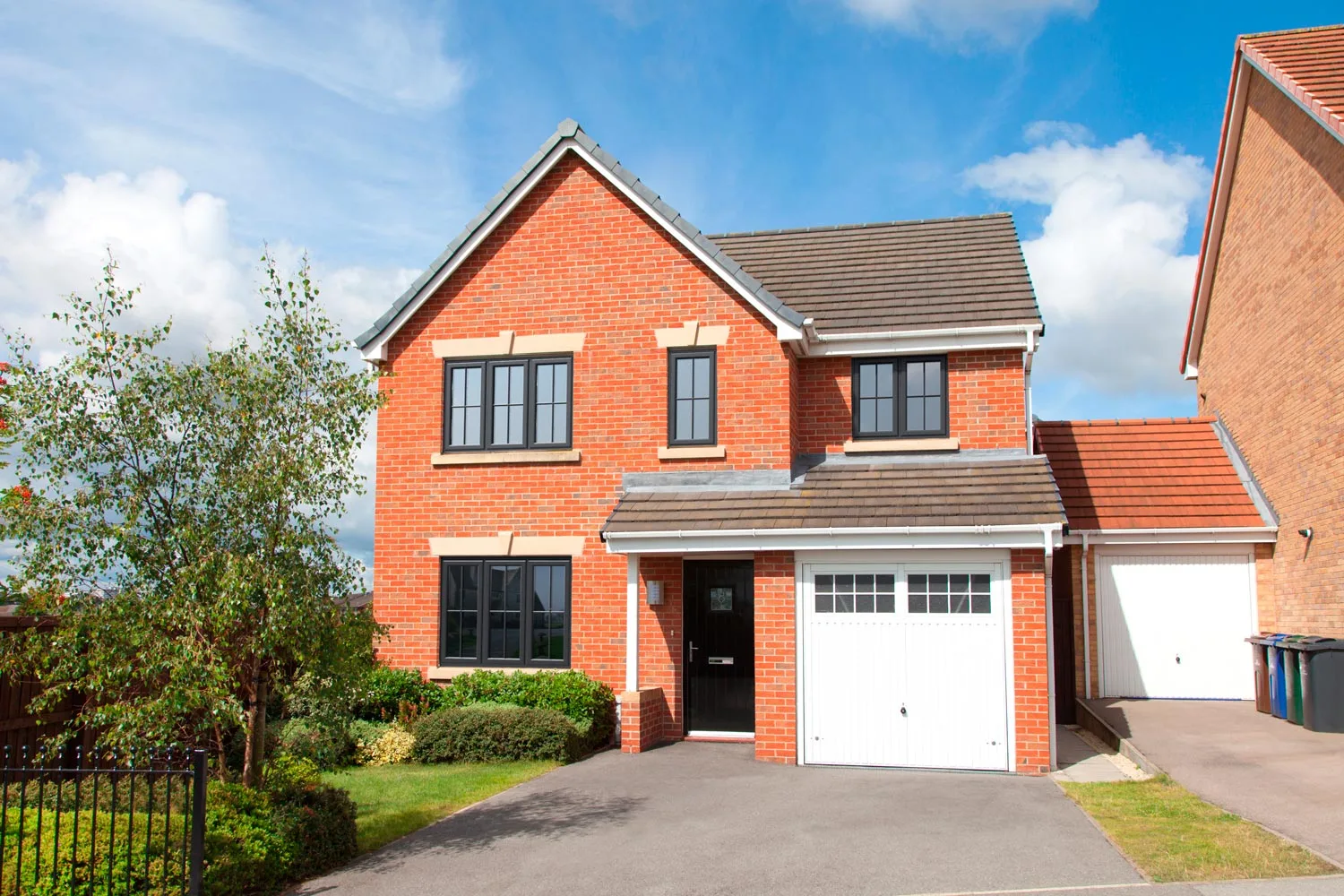
Building Control can be a daunting concept for those looking to take on a new home extension project. In this blog post, we’ve aimed to simplify the technical terms and explain a little about building regulations, building control process and to give you a bit of context on why it’s important.
What Is Building Control?
The first modern national building standards were introduced by the Building Regulations 1965 (SI 1965/1373) which set out the first national standards for building regulation in the UK. These regulations set out what qualified as ‘building work’, notification processes, and requirements for building design and construction. The Building Regulations 2010 (SI 2010/2214) significantly rewrote building regulation in England and Wales. This devolved building regulation authority for Wales and radically changed several sections of building regulations. However, this devolution is something that you should be aware of, building regulation rules may and do vary between England, Wales and Scotland.
There have been further amendments under Building (Amendment) Regulations 2018 and Building (Amendment) Regulations 2023 and similar legislation and regulation. There are currently eighteen parts to building regulations and you can find the Approved Documents explaining these rules on the Government Planning Portal.
How Do Building Regulations Work?
At Allgood Construction we take building regulations compliance very seriously. Under the Building Safety Act 2022 we have duty holder responsibility for the construction projects that we work on. This means that we have a legal obligation to plan, manage and cooperate with other key stakeholders (including you, the client) to ensure that what we build is building regulation compliant.
Furthermore, it is a criminal offence under the Building Act 1984 and Building Safety Act 2022 for us to breech building regulation. Offenders may face prosecution, including unlimited fines and up to two years in prison if we were to do so. At every step we have a robust quality control process including required photo guidelines for our workers and sub-contractors requiring photographic evidence of key elements at every step of the job, so that we can evidence, if required, every element of our build.
This is true for all projects, whether you’re looking for a new home extension, conservatory, orangery or roof replacement. We also have regular and consistent inspections from our senior leadership team of the build as they progress through their stages. This is in addition to the normal building inspection process.
Building Control Bodies
UK building regulations requires independent verification of building regulations compliance through a Building Control Body (BCB). These BCBs are responsible for the verification process, and this role has historically been carried out by local authorities. However, under section 49 of the Building Act 1984 Parliament created the statutory framework for private individuals or bodies to act as ‘Approved Inspectors’ now referred to as Registered Building Control Approvers (or RBCAs). These Registered Building Control Approvers are authorised by the Building Safety Regulator (BSR) to carry out the inspection process. RCBAs must be registered with the Building Safety Regulator and re-appointed to their role. They are also required to have insurance from a scheme approved by the Secretary of State. The Building Safety Regulator also manages performance standards and rules to ensure safety, maintain standards and ensure competence oversight.
What is The Difference Between Local Authority Building Control & Registered Building Control Approvers?
There are a few key differences between Local Authority Building Control and Registered Building Control Approvers. The first being that Local Authority Inspectors are representatives of the State, they have statutory enforcement powers under section 35 and section 36 of the Building Act 1984, and their decisions are matters of public law, protected by statutory authority and subject to judicial review. As a result, the decisions by Local Authority Building Control carry statutory authority and require formal processes to challenge. In our experience, there is variance between Local Authorities on the interpretation of building regulations rules where there are any ‘grey areas’ within the existing regulations. This means that, when working with Local Authority Inspectors, early and continuous engagement is critical and establishing clear expectations is vital. You can find more detail on some of the scope for variance on our Planning Permission vs Building Regulations article.
Registered Building Control Approvers do not carry the same legal powers as Local Authority Inspectors, although they are able to certify your projects. They cannot prosecute, issue enforcement notices or compel works. However, in the case of non-compliance with building regulations they can and will cancel the initial notice issued to the Local Authority and the issue will revert to the Local Authority Inspectors.
In our experience, Registered Building Control Approvers will have a uniform interpretation of building regulations across their inspectors. This ensures that you have clear expectations across projects and can easily develop established ways of working together to ensure that communication is easier and projects develop smoother.
What Impact Do Building Regulations Have?
Local Authority Inspectors also carry the risk that they will raise other issues of non-compliance. When a Local Authority Inspector visits your property, their powers relate to contraventions of building regulations not individual projects. This might range from something relatively minor, like missing trickle vents on windows to more serious violations of building regulations.
Most Registered Building Control Approvers will focus on the individual project that they have been contracted for, and are highly unlikely to flag other areas of non-compliance where it is irrelevant to their contracted work.
It’s also important to note that different Building Control Bodies have different approaches to verify building regulation compliance. Some Building Control Bodies rely on a combination of live video streaming, photos and recorded videos to verify compliance. Others rely on physical inspections in addition to geo-located photographs.
While this is legal, at Allgood Construction (NW) Ltd we believe that in-person inspections offer the more robust process to verify compliance and give customers
the peace of mind that their build is fully up to specification.
We’re perfectly happy to work with our preferred Registered Building Control Approver, or Local Authority Inspectors as is the customers preference. However, we avoid Registered Building Control Approvers which do not use in-person site visits as part of their compliance process.
How Does Allgood Construction Comply With Building Regulations?
In the first instance, either full plans or a building notice will have to be issued to the local authority. After that, there will be a series of inspections that will be carried out to ensure compliance. These will vary based on the nature and extent of the works being undertaken, but will usually be placed at key stages in the project.
For large projects, these stages are likely to be:
1- Commencement of project
2- Excavation
3- Foundations
4- Laying of Damp Proof Coursing
5- Installation of new drains
6- Construction of the primary structure
7- Installation of insulation
8- Roof construction
9- Completion
For smaller extensions, the stages are usually fewer in number, and we tend to have the following inspections:
1- Foundation excavation
2- Slab construction (this will include damp proof coursing and slab insulation)
3- Roof and structural (i.e. checking the installation steel elements where we have removed walls to open up a space)
4- Practical Completion
Throughout this process the Building Control Body will share their reports with you, as the householder. At the excavation stage is where we might encounter the need for piling. The decision to pile will be made based on the findings of the building inspector, and you can find more information on piling here.
If you’re looking to enhance your home with a new home extension that adheres to all building control regulations, get in touch with our team of experts today. At Allgood Construction, we’re proud of our expertise and we’re always happy to help offer advice. Enhance your home with a free, no-obligation quote today.
Disclaimer: These blog posts reflect the experience and opinion of our organisation as primary contractors working in the construction sector. We are not Registered Building Control Approvers, legal professionals, planning professionals or affiliated with any Local Planning Authority. We will always recommend that our customer seek guidance from their Local Planning Authority on all matters relating to planning permission or building regulations and it is your responsibility to do so.
Recent News
16 July 2026
How Are Doors Kept Secure? | A Homeowner’s Guide
8 July 2026
Can You Paint uPVC Windows and Doors?
2 July 2026
What Do Window Energy Ratings Mean for Your Home?
29 May 2026
French vs Sliding vs Bifold doors – Which is Better for the Back of Your House?