

Can You Get A Disability Grant For Construction Work? Zero Rate VAT Explained
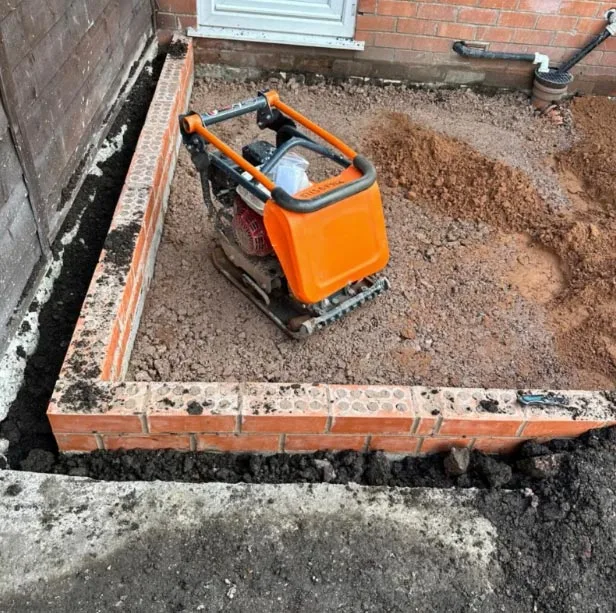
At Allgood Construction (NW), it is not uncommon for us to meet customers with additional needs in our day to day. Often, they are looking to make substantial alterations to their existing house to continue to live in their home. We know that it’s an awful situation to be in, and we’ve put this guide together to provide some information which might be helpful when looking to minimise the financial burden of adapting your home.
Who is eligible for 0% VAT on home adaptations?
In the first instance, for specific types of construction work we can offer 0% or reduced rate VAT. To be eligibility for 0% VAT the government conditions for eligibility are thus:
- Physical or mental impairment that has a major long-term effect on their ability to do everyday activities.
- Condition that the medical profession treats as a chronic sickness.
- Terminal illness.
If a customer fulfils any of these conditions, then we may be able to 0% their VAT. As the contractor the responsibility for ensuring customers are eligible does fall on us, and we are required to have a signed declaration from our customer or another responsible figure with information that demonstrates eligibility.
What home mobility works are VAT exempt?
Within the government rules common examples of the types of services that we can 0% rate for VAT purposes include:
- Ramps and handrails.
- The widening of an existing doorway and the supply and fit of a new door.
- The installation of emergency calling systems.
- The provision, extension or adaptation of a space for a new washroom, bathroom or lavatory.
How to get a Disabled Facilities Grant (DFG)
You can also seek funding from your local council or a disabled facilities grant. If the cost of your adaptation is less than £1,000, your council may give you a non-means-tested grant (meaning not based on your income or savings) to cover the cost of some adaptations.
The Disabled Facilities Grant is a grant which can get from your local council to cover adaptations over £1000. This is up to £30,000 in England and £36,000 in Wales, councils can also make additional discretionary grants in some areas. The council must award a DFG if you are eligible, and you can apply for a Disabled Facilities Grant if you rent from a private landlord, rent from a local council or housing association, or own your home.
What can a disability grant for construction work cover?
TA disability grant for construction work can cover a wide range of essential works, including:
- Widening doors and installing ramps or grab rails.
- Improving access to rooms and facilities.
- Improving garden access.
- Building an extension for ground-floor living.
- Providing a heating system suitable to your needs.
- Adapting heating or lighting controls to make them easier to use.
Get in Touch With Allgood Construction Today
We hope that this has been helpful. The best place to get more information on what funding is available is to talk to your local council and relevant disability charities, such as Scope or Disability Rights UK.
Get in touch with our friendly team of experts to find out more about our services today.
Disclaimer: These blog posts reflect the experience and opinion of our organisation as primary contractors working in the construction sector. We are not Registered Building Control Approvers, legal professionals, planning professionals or affiliated with any Local Planning Authority. We will always recommend that our customer seek guidance from their Local Planning Authority on all matters relating to planning permission or building regulations and it is your responsibility to do so.
Recent News
16 July 2026
How Are Doors Kept Secure? | A Homeowner’s Guide
8 July 2026
Can You Paint uPVC Windows and Doors?
2 July 2026
What Do Window Energy Ratings Mean for Your Home?
29 May 2026
French vs Sliding vs Bifold doors – Which is Better for the Back of Your House?