

How Long Does Double Glazing Last? A Guide to Maximising Your Investment
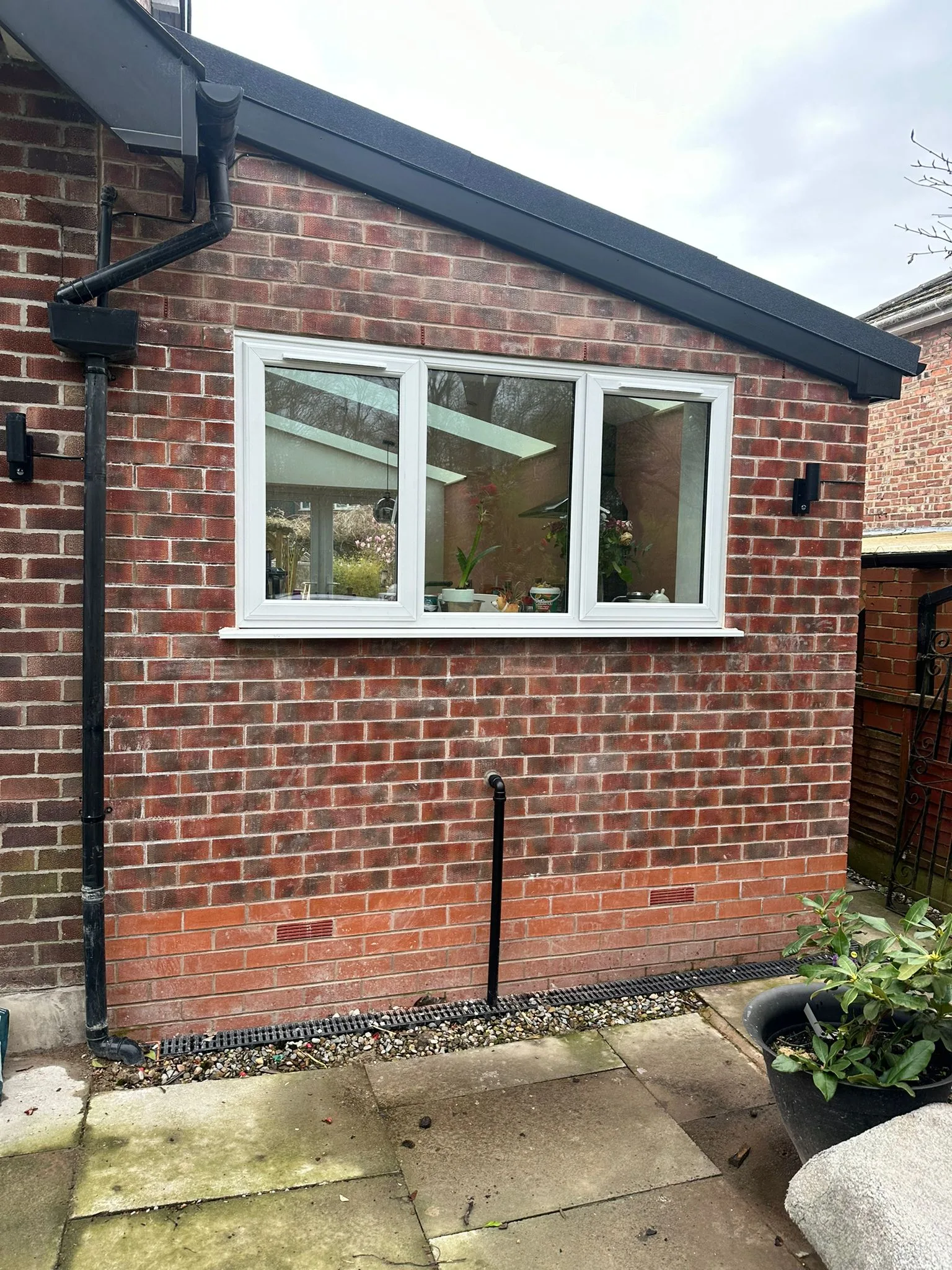
Double glazed windows are a fantastic investment for any home. They help cut energy bills, reduce noise pollution, prevent damp, and increase your home’s security. However, a full suite of high-quality windows isn’t a small expense, so the longevity of your investment is likely at the forefront of your mind.
At Allgood Constructions NW Ltd, we want our customers in Bolton and across the North West to get the most out of their homes. We’ve pulled together this guide to help you understand what factors affect the lifespan of your windows and how you can maximise their shelf life.
Two Parts, Two Lifespans
It is worth discussing the two parts of your window separately:
- The Sealed Glass Unit: This will likely last around 20 years, though it can go longer before you encounter issues like sealant failure, spacer bar degradation, or gas diffusion.
- The Frame: Usually made of uPVC, Aluminium, or Timber, the frame’s lifespan depends heavily on the material and how it was installed.
What Factors Affect the Lifespan of uPVC Windows?
The majority of windows in the UK are made from uPVC (unplasticized polyvinyl chloride). It’s a durable, rigid thermoplastic that is resistant to corrosion and is a poor conductor of heat – perfect for keeping your home warm!
However, if you are wondering how long does double glazing last when made of uPVC, you need to consider these three factors:
1. UV Radiation and Sunlight
Even though uPVC is UV-resistant, decades of direct sunlight can eventually damage the chemical bonds of the polymers. Over time, this can lead to:
- A chalky feeling on the surface layer.
- Yellowing or discolouration.
- Degradation of the seals, leading to draughts.
You can extend the life of your uPVC by using uPVC Restorers or UV protectant sprays. Regular, easy maintenance keeps them looking fresh and beautiful for years longer.
2. The Thermal Cycle (Heat)
uPVC expands when it’s hot and shrinks when it’s cold. This creates a daily and seasonal thermal cycle. If your windows are directly above a radiator or in a real sun-trap, this stress is exacerbated. Over time, poor-quality frames may bow or warp.
While you can’t stop the weather, a high-quality installation ensures there is enough room for the frame to breathe, preventing permanent damage.
3. Coastal Air and Salt
If you live near the coast, sea air carries salt and sand that can accumulate on your frames. While uPVC won’t corrode, the salt can physically block joints and hinges, making them stiff. It can also corrode the internal steel mechanisms. A simple wipe-down with soapy water every few months is usually all it takes to solve this!
Thinking of upgrading? As a family-run business, Allgood Constructions NW Ltd specialises in House Extensions and window installations that are built to last the North West weather.
The Secret to Longevity: Quality of Installation
Ultimately, the biggest driver in how long does double glazing last is the quality of the person fitting them. Even the most expensive frame won’t last if the installation is botched.
A proper installer will:
- Allow for Movement: Leaving sufficient expansion gaps so the window doesn’t warp when it gets hot.
- Use High-Quality Sealants: Cheap sealants can trap moisture, accelerating the breakdown of integral components.
- Ensure Perfect Alignment: If a frame is packed in too rigidly or overtightened, it puts immense stress on the joints, leading to seal failure years before it should happen.
How Long Does Aluminium Double Glazing Last?
We’ve seen a massive jump in demand for aluminium windows across the North West. While uPVC is the budget-friendly king of energy efficiency, aluminium offers a premium lifespan.
How long does double glazing last when it’s aluminium? You are looking at a lifespan of up to 45 years – significantly longer than the 25–35 years typical of uPVC.
Why Aluminium Lasts Longer:
- Strength: It allows for thinner frames and larger glass spans without warping.
- Powder Coating: A high-quality powder coating (especially marine-grade for coastal areas) resists UV damage and corrosion.
- Stability: Aluminium is naturally resistant to deformation, meaning your windows stay square and easy to open for decades.
However, just like uPVC, aluminium relies on correct installation. Because aluminium frames use thermal breaks to prevent condensation, the perimeter sealing and drainage paths must be perfect. If an installer blocks the drainage channels, water can accumulate and degrade the coating from the inside out.
Lifespan & Durability Comparison: uPVC vs. Aluminium
| Feature | uPVC Windows | Aluminium Windows |
|---|---|---|
| Expected Lifespan | 25 – 35 Years | Up to 45 Years |
| Maintenance Level | Low (Occasional wipe & UV protection) | Very Low (Occasional cleaning) |
| Resistance to Warping | Good (If high-quality) | Excellent (Naturally rigid) |
| UV Resistance | High (May yellow over decades) | Exceptional (Powder-coated finish) |
| Coastal Suitability | Excellent (Chemically resistant) | Very Good (Requires marine-grade coating) |
| Best For | Energy efficiency & affordability | Modern design & ultimate durability |
Maximise Your Investment with Allgood Constructions NW Ltd
Whether you choose the affordability of uPVC or the sleek longevity of aluminium, the key is choosing an installer who understands building regulations and material science.
At Allgood Constructions NW Ltd, we don’t just fit windows; we build homes. We use our builder’s eye to ensure every installation is perfectly aligned and weather-protected for the long haul.
Don’t leave your home’s future to chance. Contact Allgood Constructions NW Ltd today for expert advice and a free quote on your next project.
Recent News
16 July 2026
How Are Doors Kept Secure? | A Homeowner’s Guide
8 July 2026
Can You Paint uPVC Windows and Doors?
2 July 2026
What Do Window Energy Ratings Mean for Your Home?
29 May 2026
French vs Sliding vs Bifold doors – Which is Better for the Back of Your House?